What is trust?
People often confuse the virtue of trust with the virtue of faith. St. Thomas Aquinas teaches that they are not the same. Trust is not simply believing that God exists, or even that He is powerful. The devil acknowledges that much.
To be saved we need faith, hope and charity. Faith looks to God as the ultimate teacher and believes what He has revealed. Charity looks to God as the supreme good and loves Him for His own sake. Hope looks to God as ultimately desirable and seeks union with Him. For Aquinas, to trust is simply to hope in God.
Three notions of hope
Hope desires God. We only hope for what we desire, and God is goodness itself.
Hope acknowledges difficulty. Union with God means struggle: resisting temptation, growing in virtue and persevering to the end. Hope faces this honestly.
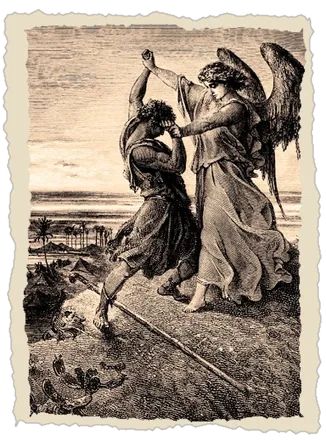
Hope affirms possibility despite difficulty. Salvation depends first on God as the principal cause, through His omnipotence, mercy and grace. It depends second on us, as we desire it, seek Him and practice the virtues He gives. In the parable of the talents, those who used what they were given were rewarded.
“Man should not trust in himself, but in God alone, who gives success to human acts.”ST II–II, Q. 129, A. 6
What trust is not
Presumption desires salvation but refuses its difficulty. It says, “God will forgive me, I am a good person, I will repent later.” Despair sees the difficulty but denies the possibility. It looks at sin and weakness and gives up.
“Hope avoids presumption by humility, and despair by confidence in divine mercy.”ST II–II, Q. 20
Trust is therefore humble confidence: the act of hope by which the soul relies on God's mercy and power to be saved, and to receive every help it needs to repent, persevere and reach heaven, while humbly using the means God provides. Faith tells us who God is. Hope relies on Him to bring us to His promise. Charity makes that trust filial, like a child with a father.
